
Chemical peels have recently become popular due to their ability to give the skin a wonderful, more youthful appearance. So, what are its different types? What are its benefits for the skin? How is it performed? And does it have any side effects? Follow us in this article to learn all about this in detail.
What is a Chemical Peel?
It is a procedure that helps exfoliate the outer layer of the skin, thereby significantly improving its appearance. Its mechanism relies on the use of certain chemical solutions, which are applied to the skin.
These solutions play an effective role in removing the outer layers of the skin during the peeling process, making the skin smoother, and also reducing wrinkles present in the skin.
It is used due to the presence of wrinkles and the desire to get rid of them. It can also be effective in treating pigmentation that appears on the skin, in addition to its ability to eliminate the effects of scars and burns and unify skin tone in general.
Types of Chemical Peels
Chemical peels can be divided into several different types:
- Superficial peel, which is a type that relies on the use of specific acids with a mild effect. Alpha hydroxy acids are used, which penetrate only the upper layers of the skin.
- Medium peel, which is a type that uses solutions capable of reaching the middle layers of the skin, meaning it is more effective at removing damaged and dead cells. This type of peel often relies on trichloroacetic acid, in addition to glycolic acid.
- Deep peel, which is the most effective type of chemical peel, as it can reach the deep layers of the skin. It is effective in removing all dead cells and layers affected by any type of skin problems, and it relies on the use of phenol acids and trichloroacetic acid.
Benefits of Chemical Peels
This type of peel can help treat a number of skin problems that cause distress to many people. It is capable of significantly improving the condition and appearance of the skin, and it also has the ability to increase skin smoothness and lighten it while unifying its tone, as it helps in:
- Eliminating fine lines in all their forms, whether those that may appear around the mouth or under the eyes.
- Reducing wrinkles that may be caused by aging or those resulting from sun exposure.
- Treating some acne problems.
- Unifying skin tone, as it helps eliminate pigmentation resulting from sun exposure, aging, and even pregnancy.
- Treating acne scars, whether these scars are in the form of marks or spots.
- Eliminating skin dullness and increasing its radiance.
Stages of Chemical Peeling
Initially, and before performing the procedure, it is important to know whether a chemical peel is suitable for the skin or not, especially since it may cause darkening in individuals with darker skin. However, generally, this procedure is suitable for all skin types.
The dermatologist may suggest other options if this procedure is not suitable for the case, especially since chemical peels are not recommended for individuals with colored scars, as well as people who use specific types of medications that can increase skin sensitivity.
In addition to individuals who suffer from medical problems that may cause scars to appear on the skin. After choosing the procedure and determining whether it is suitable or not, the procedure will be performed in the clinic by:
Skin Cleansing
The skin is cleansed using a cleanser that can remove any oil residue while providing protection for the hair and eye area during the procedure.
Application of Chemical Peels
One or a mixture of chemical peels is used, such as glycolic acid, lactic acid, trichloroacetic acid, and salicylic acid.
The results will vary based on the type of peel chosen:
- A light peel will penetrate fewer layers, but it may be best for fine lines or even mild skin discoloration and dryness.
- A medium peel can penetrate the first layers of the middle layer of the skin, so it may be effective for moderate pigmentation, as it helps to eliminate it and unify the skin, while also eliminating moderate wrinkles and scars.
- A deep peel is best for treating severe sunburns, deep scars, and severe skin changes, as well as relatively deep wrinkles.
When do the effects of chemical peels begin to show?
The timing of results varies depending on the type that will be used, because, as we mentioned, each type has an effect on specific layers of the skin, and it will be as follows:
Light Peel
The skin may need one to seven days to recover from the effects of this type, and more than one session may be needed, up to five sessions. It may also be performed every two to five weeks to see the desired results, which may appear about 5 to 10 days after the first procedure.
Medium Peel
This type of peel requires a longer time for the skin to recover and achieve the desired results. The skin needs at least one to two weeks to fully recover, and results usually appear within 5 to 10 days. The results can last for a period, so it is preferable to perform it every 6 months to a year.
Deep Peel
Because this type is the most penetrating into the skin, it may only be performed once, with some preparations before the procedure to get ready for the peeling process.
Especially since it may require preparations that can take up to 8 weeks, and recovery from it takes approximately two to three weeks with medication for 10 to 14 days, in addition to applying creams and moisturizers for two weeks as well. However, results appear within two weeks and can last up to 10 years or more.
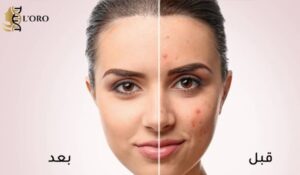
Chemical Peel Results: Before and After Photos
Side Effects of Chemical Peels
There are a number of side effects that may appear when performing a form of peeling, but they are often mild. However, some people experience more significant problems, including:
- Skin redness that may last for months.
- The appearance of some dark spots on the skin.
- The appearance of some light spots on the skin, which may be permanent.
- The possibility of skin scarring.
Skin Irritation After Peeling
It is normal for temporary skin irritation and redness to occur, and it may even be accompanied by a stinging sensation with a mild burning feeling. This redness may last for a period of one week to months, depending on the type of peel.
Darkening After Chemical Peeling
Burns and skin darkening may appear after the peeling process, especially in people with darker skin. This is normal, and these spots may disappear after several days.
Chemical Peeling Creams
Peeling can be done using chemical peeling creams purchased from pharmacies, but they will not yield the same results as peeling performed in clinics, as they contain low concentrations of acids that work to Skin Peeling, and among the most popular types of creams that can be used are the following:
- Creams containing glycolic acid.
- Creams containing lactic acid.
- Creams containing mandelic acid.
- Creams containing salicylic acid.
What is the difference between chemical peel and cold peel?
The biggest difference between chemical peeling and cold peeling lies in the materials used. Chemical peeling relies on strong acids, known as fruit acids, while cold peeling relies on the use of light creams and exfoliants that aid in peeling.
Chemical peeling is one of the procedures that can help achieve great results, especially if a deep chemical peel is performed on the skin, as its effect in this case may last for a long time. However, the doctor performing the procedure must be chosen carefully, and instructions must be followed.
Read also: Cold Peeling: Its Advantages and Disadvantages
If you suffer from skin problems such as acne scars, blemishes, or hyperpigmentation and wish to undergo a chemical peel to eliminate these issues, you can contact one of L'ORO Clinic's dermatologists. Book your appointment now.
Frequently Asked Questions
Does chemical peeling whiten the body?
Yes, as it helps remove pigmented skin layers.
Does chemical peeling cause darkening?
Yes, temporary darkening may occur as a side effect, and it may be permanent in some cases.
How much does a chemical peeling session cost?
The prices for each chemical peeling session vary based on the clinic's location and the doctor's experience. However, we can indicate that the average price ranges from 500 SAR to 1500 SAR within Saudi Arabia.
Is chemical peeling painful?
A mild pain, similar to stinging or a slight burning sensation, may be felt when acids are applied to the skin.
Which is better, chemical peeling or laser?
The superiority of either type cannot be determined except based on the individual case. Chemical peeling may be better for conditions such as mild to moderate wrinkles and scars, while laser is more effective in treating severe wrinkles, as well as severe scars and other problems. Therefore, it is advisable to consult a doctor to determine the best treatment method.